The Geosynthetics Industry Boom: Innovations and Trends in Geotechnical Applications for Infrastructure Construction
Date: June 18, 2026
Infrastructure demands are growing across the globe, and the geosynthetics industry is expanding right along with them. From highways and railways to airports, energy sites, drainage systems, and erosion-control applications, geosynthetic technology is playing an increasingly important role in how modern infrastructure is designed, built, and maintained.
This growth is being driven by several forces at once: rapid urban development; the push for infrastructure that is more durable, efficient, and resilient over the long term; and advances in material science. As owners, engineers, and contractors look for smarter ways to improve performance while managing cost and constructability, geosynthetics are becoming an increasingly valuable part of the solution set.
Tensar, a division of CMC® offers geosynthetic solutions including a full suite of geogrids, that support diverse industries—from mining and railway to energy and airports. Whether the goal is improving pavement performance, managing drainage, or helping control erosion, these solutions can provide measurable value below the surface, where long-term performance often begins.
Understanding Geosynthetics
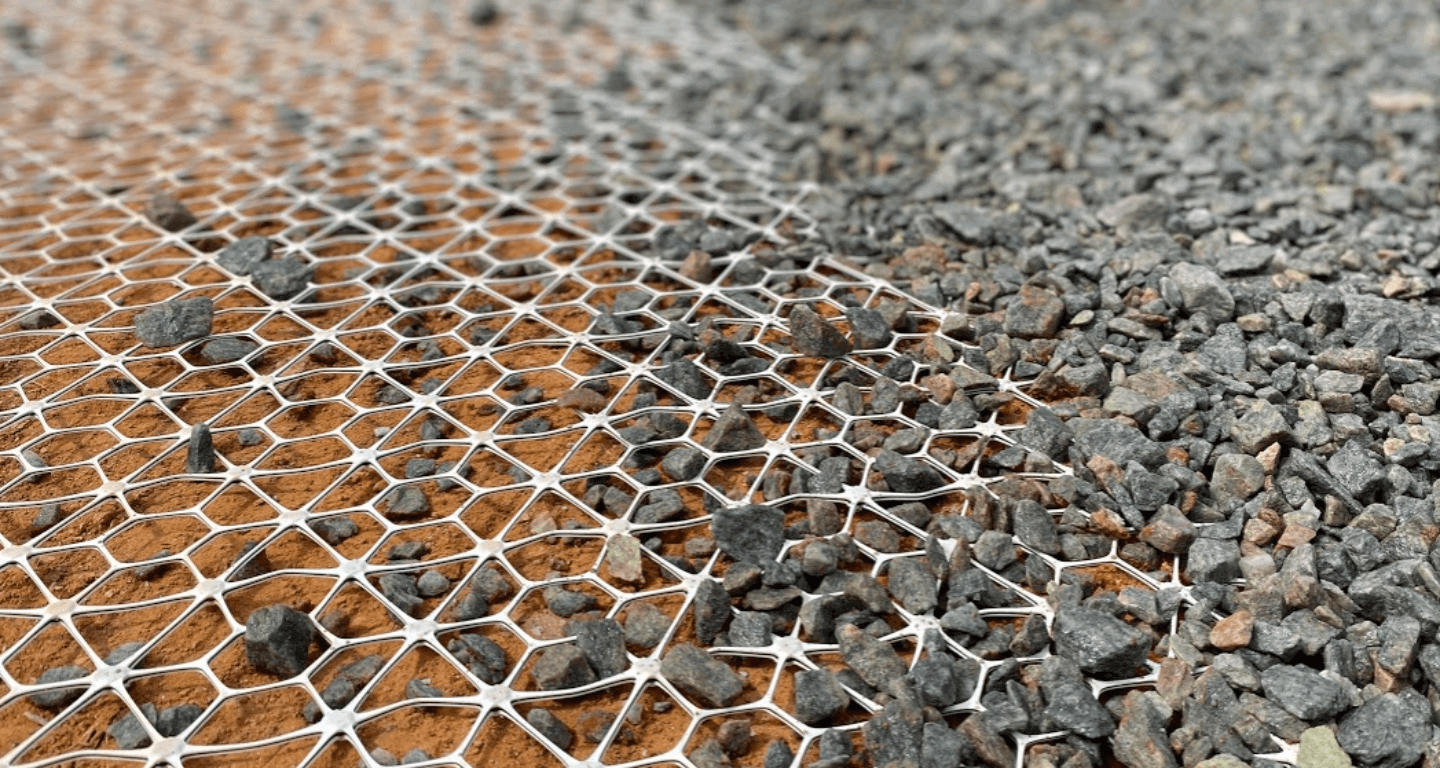
Tensar® describes geosynthetics as polymeric, man-made products used to solve geotechnical problems in construction—and that broad definition reflects just how versatile these materials have become. To look at it another way, “geosynthetics” refers to a category of engineered materials, and their functions describe what those materials do—typically filtration, separation, drainage, and stabilization. The term “geotechnical applications” refers to where geosynthetics can be used.
The Geosynthetics Market Boom
The geosynthetics market is growing rapidly, and for good reason. Valued at approximately $29.35 billion in 2023, the market is projected to reach $92.13 billion by 2032, reflecting not only rising demand, but also a broader recognition of what can be achieved with geosynthetic materials.
In regions like the United States and South America, this growth is closely tied to urbanization and ongoing infrastructure development. Large-scale projects—ranging from highway expansions and rail improvements to flood-control measures, drainage systems, and energy-related construction—are driving the adoption of geosynthetic solutions at an unprecedented pace.
Geosynthetics and Infrastructure Trends
Infrastructure priorities are increasingly focused on durability, adaptability, reduced maintenance, and efficiency—as these provide the greatest benefit to overall project outcomes. Project teams are seeking solutions that reduce lifecycle costs, minimize disruption, and support long-term performance. Geosynthetics align with these goals by enhancing subsurface conditions, reducing material use, speeding construction, and extending the lifespan of infrastructure. What’s more, with many different geosynthetic solutions to choose from, engineers can match site-specific challenges to the functions of specific geosynthetic solutions—helping to maximize efficiency and performance.
Expanding Geotechnical Applications: Keeping Up with the Demand
Geosynthetic solutions are highly effective when used in applications like roads, pavements, rail track beds, drainage systems, embankments, and containment projects. By improving subgrade performance and managing moisture, geosynthetics help extend service life and reduce maintenance needs. Tensar® supports these applications with a full suite of geogrids—and the engineering expertise necessary to effectively tailor them to real-world conditions.
Innovations in Geosynthetic Technology
Advancements in geosynthetic technology are driving improvements in both performance and practicality. Manufactured from durable polymers such as polyethylene, polypropylene, and polyester, modern geosynthetics are engineered for strength, durability, and long-term reliability. Products like geogrids, geotextiles, geocomposites, and pavement interlayers continue to evolve and are highly effective in improving subgrade behavior, enhancing pavement durability, and supporting infrastructure under demanding conditions. Plus, other innovations are making these systems easier to install and more adaptable to complex site challenges.
Geosynthetics—Improving Infrastructure Performance
The growth of the geosynthetics industry reflects a shift toward more performance-driven infrastructure solutions. With ongoing innovations and ever-expanding applications, these materials are becoming essential in modern geotechnical design. By leveraging geosynthetic technology, engineers and project teams can address site challenges more effectively and deliver longer-lasting infrastructure.
Why Tensar® Matters in the Field
As infrastructure challenges grow more complex, geosynthetics like geogrids are enabling smarter construction approaches that balance performance, cost, and efficiency. And, as demand continues to grow, experienced partners offering proven solutions will play an increasingly important role.
Connect with Us
In the infrastructure space, Tensar® offers geosynthetic solutions that are backed by research and deep engineering expertise, and have been tested and validated in the field. Connect with us to learn how we can help you leverage geosynthetic technology to achieve the best possible outcomes for your next project.